Ride Tips
 Before Rides
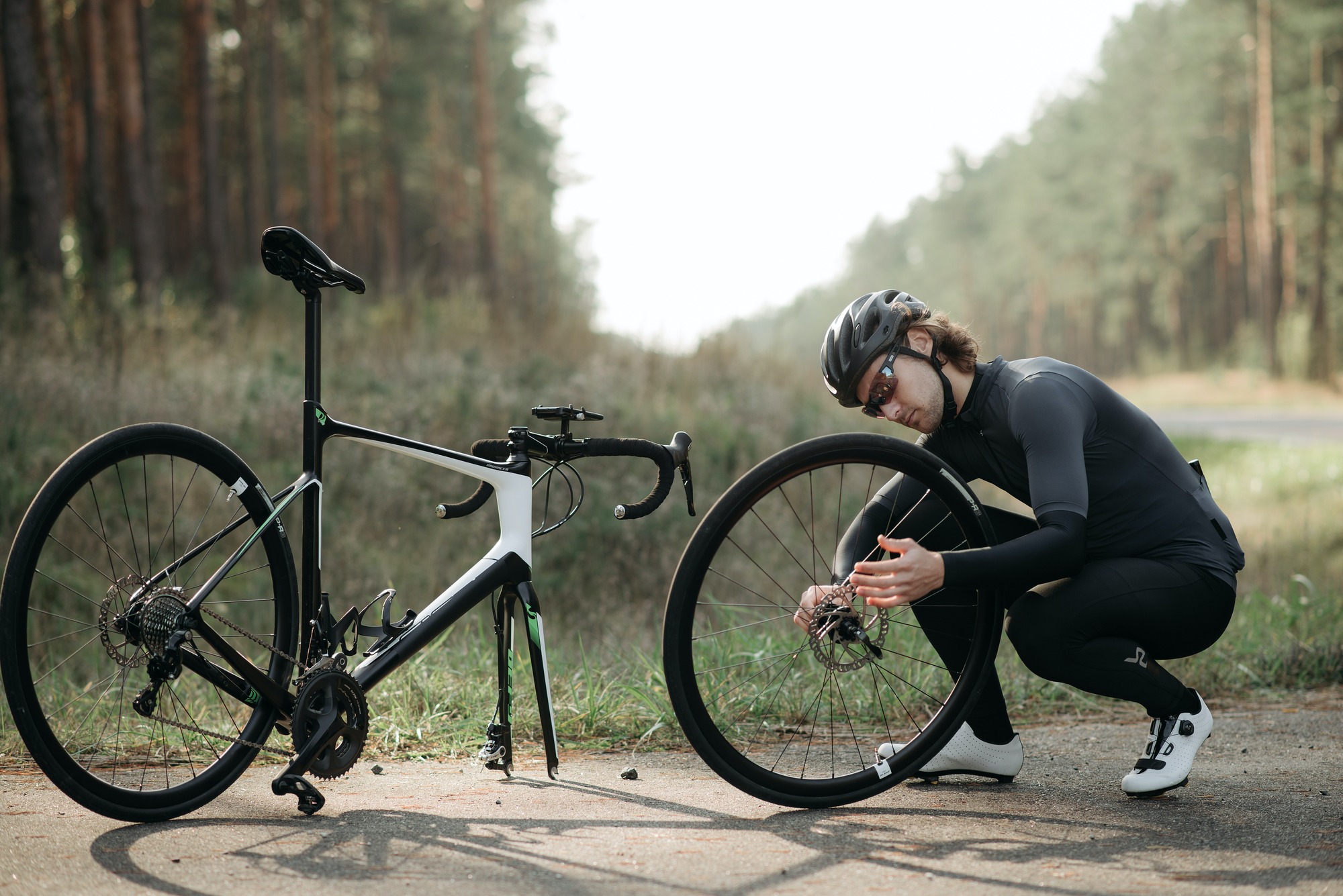
- Make sure that your bike is in good and safe working condition.
- Each rider should carry an extra tube, patch kit, tire levers, bike tool and a pump.
- Know which brake handle is for your rear brake (normally the right) and use it as your primary brake or in conjunction with the front brake. Do not apply only your front brake.
- All riders should wear visible clothing, and protective glasses are recommended.
- Riders should have a rear view mirror on glasses or helmet or attached to the bike.
- Hydration is necessary, and each rider should carry water and/or a sports drink and drink often during the ride.
- Each rider should also carry some quick energy food.
 During Rides
- Riders should be helpful to and responsible for each other.
- Do not ride beyond your ability and ride in a predictable manner.
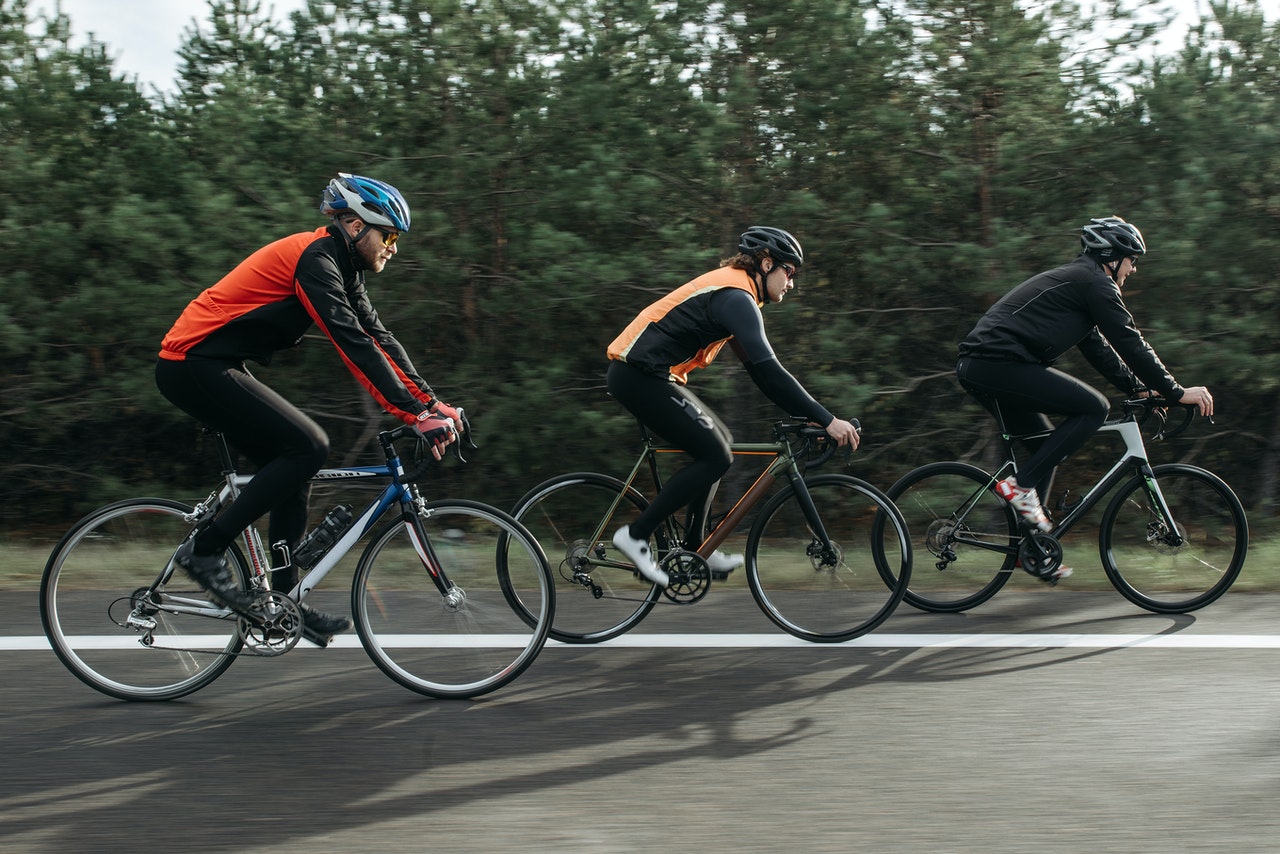
- Riders should ride no more than two abreast, and should ride single file when there is heavy traffic on roads, streets or trails.
- Ride as far to the right as is safe and practical. Take the full lane if that is the only safe way to proceed and move to the right as soon as it is safe to do so
- Use hand signals and communicate verbally for turning, slowing, and stopping. Point out and verbalize road hazards or other road conditions such as: “pothole”, “stick”, “glass”, “bike up”, “car up”, “car back”, “on your left”, etc.
- Do not ride too close to the bike ahead or to the bike next to you.
- When you are going straight through an intersection, without a right turn lane, make sure that you are aware of right turning motor vehicles next to you or behind you.
- When going through an intersection without a stop light, do not give voice signals such as “clear” or “ok”. Each rider must make a determination that it is safe to proceed through the intersection based upon his or her understanding of the conditions.
- Do not block right turn lanes when the group is going straight.
- When a group of riders comes to a four way stop, the whole group should stop. If there is no traffic, the whole group may then proceed through the intersection. If there is stopped traffic, no more than 4-6 riders should go through the stop together in order to alternate with stopped motor vehicles.
- At trail crossings make sure all moving vehicle traffic has cleared the crossing and then cross when safe to do so.
- No rider should attempt to stop, block or direct motor vehicle traffic in order to allow all riders in a group to make a road or trail crossing.
- Do not confront motorists.
- On night rides riders should wear reflective clothing (vests or jackets) and/or reflective or lighted arm bands or ankle bands and should carry extra batteries for the front and rear lights.